

Hadith of
The Week
On the authority of Abu Hurayrah (may Allah be pleased with him) who said: The Messenger of Allah (peace be upon him) said:
“Allah the Almighty is good and accepts only that which is good. And verily Allah has commanded the believers to do that which He has commanded the Messengers. So the Almighty has said: "O (you) Messengers! Eat of the tayyibat (good things), and perform righteous deeds" [23:51] and the Almighty has said: "O you who believe! Eat of the lawful things that We have provided you" [2:172]. Then he (peace be upon him) mentioned a man who, having journeyed far, is dishevelled and dusty, and who spreads out his hands to the sky saying, "O Lord! O Lord!" while his food is haram, his drink is haram, his clothing is haram, and he has been nourished with haram, so how can [his supplication] be answered?
[Muslim]
عَنْ أَبِي هُرَيْرَةَ رَضِيَ اللهُ عَنْهُ قَالَ:
قَالَ رَسُولُ اللَّهِ صلى الله عليه و سلم "إنَّ اللَّهَ طَيِّبٌ لَا يَقْبَلُ إلَّا طَيِّبًا، وَإِنَّ اللَّهَ أَمَرَ الْمُؤْمِنِينَ بِمَا أَمَرَ بِهِ الْمُرْسَلِينَ فَقَالَ تَعَالَى: "يَا أَيُّهَا الرُّسُلُ كُلُوا مِنْ الطَّيِّبَاتِ وَاعْمَلُوا صَالِحًا"، وَقَالَ تَعَالَى: "يَا أَيُّهَا الَّذِينَ آمَنُوا كُلُوا مِنْ طَيِّبَاتِ مَا رَزَقْنَاكُمْ" ثُمَّ ذَكَرَ الرَّجُلَ يُطِيلُ السَّفَرَ أَشْعَثَ أَغْبَرَ يَمُدُّ يَدَيْهِ إلَى السَّمَاءِ: يَا رَبِّ! يَا رَبِّ! وَمَطْعَمُهُ حَرَامٌ، وَمَشْرَبُهُ حَرَامٌ، وَمَلْبَسُهُ حَرَامٌ، وَغُذِّيَ بِالْحَرَامِ، فَأَنَّى يُسْتَجَابُ لَهُ؟".
About Kobe Muslim Mosque
Upcoming Events
See All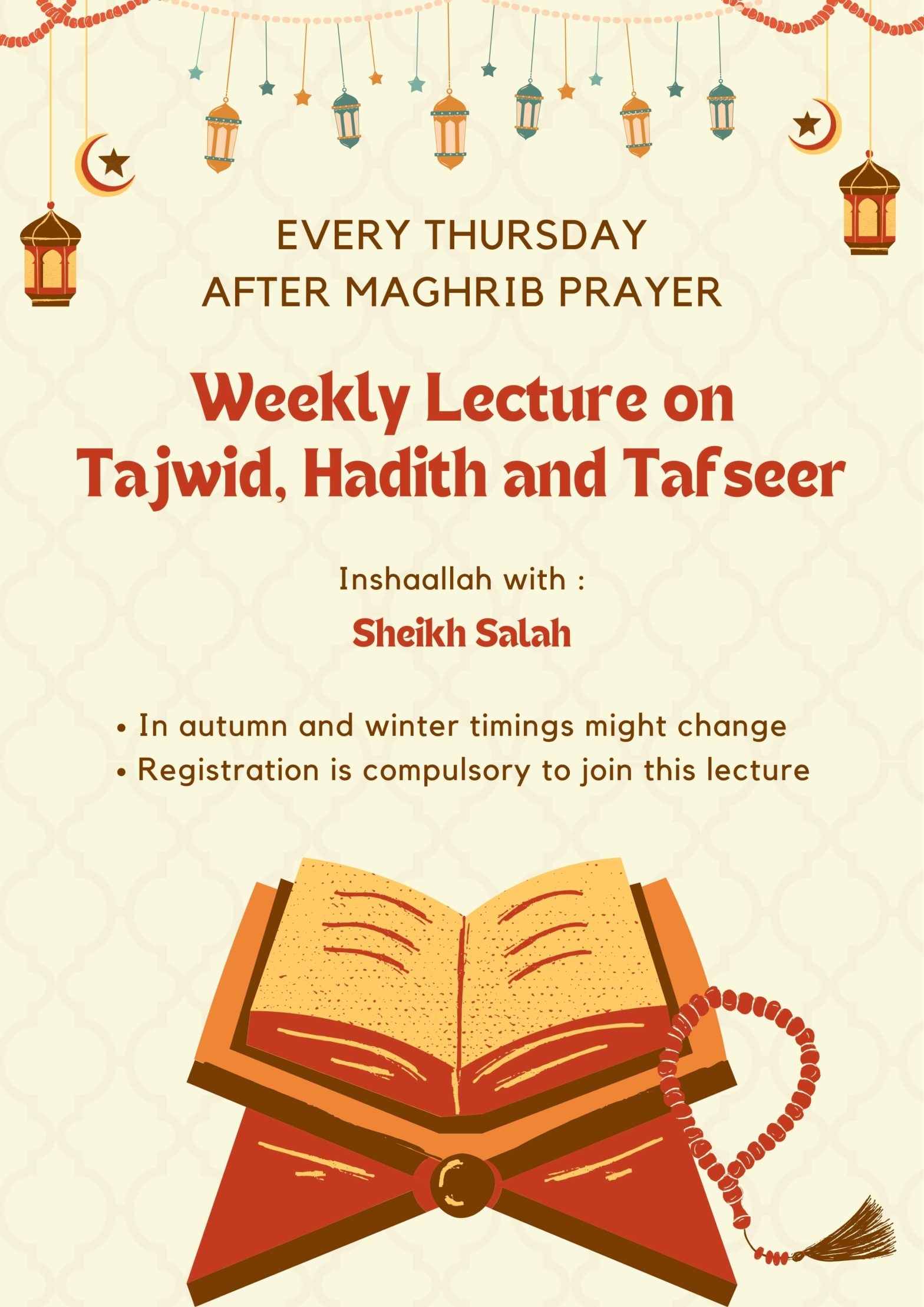
Weekly Lecture on Tajwid, Hadith and Tafseer
Muslims, non Muslims, Japanese, non Japanese all are welcome to learn Arabic language.
Show DetailsWeekly Lecture on Seerah of Prophet Peace be Upon Him
Muslims, non Muslims, Japanese, non Japanese all are welcome to learn Arabic language.
Sunday Tarbiyah Course
Kobe Muslim Mosque considers the Tarbiyah (Training) of our YOUTH, one of the most important duties towards our community. The purpose of this Tarbiyah course is to make our Youth understand their Islamic Identity and make them capable of dealing with daily challenges they have in their daily social life and activities.